

Why USCIS Has Paused Decisions for Citizens of 19 “Countries of Concern”
After the Washington, D.C. National Guard Assassinations
In the wake of the shocking assassination of two National Guardsmen in Washington, D.C., the federal government has responded with heightened national-security precautions. Among those measures is a quiet but immediate shift in how U.S. Citizenship and Immigration Services (USCIS) and other immigration agencies are processing certain applications, especially asylum filings and other humanitarian benefits. As of December 2, 2025, this is what we know:
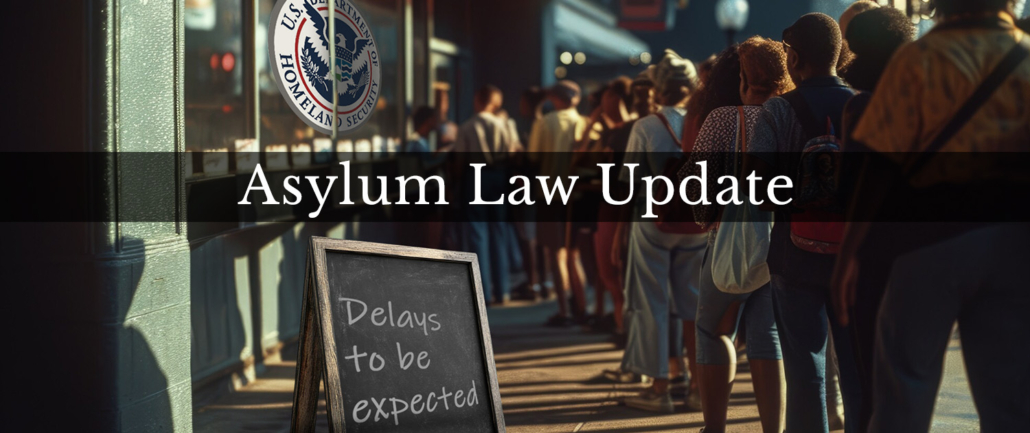
In particular, the United States has designated 19 countries as “nations of security concern,” and applicants from those countries are now experiencing case delays, additional vetting, or the temporary suspension of adjudications while the government reassesses risk factors.
For many immigrants living in the United States today—especially those who have been waiting months or years for a decision, this new pause has created confusion, anxiety, and uncertainty. Below is a clear breakdown of what happened, why the government is doing this, and how these changes may affect pending cases.
1. What Triggered the Government’s New Review Process?
Following the assassinations, federal investigators reported potential foreign-influence vectors and security vulnerabilities. While the investigation is ongoing, national-security agencies, USCIS, the Department of Homeland Security (DHS), the Department of Defense, and the White House, have all coordinated to reassess existing immigration screening protocols.
Although not every detail has been publicly released, the government has confirmed:
- There is heightened concern about individuals who may pose security risks and who originate from certain regions already known for terrorism, political instability, or hostile activity.
- For that reason, the Executive Branch ordered enhanced vetting measures for applicants from 19 foreign countries whose nationals have historically required deeper background checks.
This directive is consistent with long-standing statutory authority. DHS is required under 8 U.S.C. § 1158 and § 1182 to deny or delay immigration benefits where national-security concerns cannot be resolved.
2. What USCIS Has Publicly Stated
USCIS has not issued a “blanket ban” or mass denial. Instead, the agency has confirmed the following:
Pending asylum and related applications may be delayed
USCIS is conducting “additional security screening” for nationals of designated countries. This has resulted in:
- extensions of processing timelines,
- postponed interviews,
- case holds (“stays”), and
- deferred decisions until vetting is completed.
Interviews may still take place
Applicants can still be scheduled or rescheduled for interviews, but final decisions may not be issued until the enhanced screening is concluded.
The pause is temporary but indefinite
USCIS emphasizes that cases are not being denied because of nationality alone. Instead, adjudicators are waiting for clearance from federal security databases.
This applies to multiple forms of relief
Not only asylum, but:
- withholding of removal,
- humanitarian parole,
- adjustment of status based on asylum,
- certain employment authorization requests tied to asylum,
- motions to reopen based on changed country conditions, and
- related humanitarian programs.
These measures are consistent with the agency’s statutory duty under INA § 208(c) and 8 C.F.R. § 208.9 to conduct thorough identity and background checks before approving any benefit.
3. What the White House and DHS Have Said
The White House press secretary and DHS officials have echoed the same key concerns:
“Vetting processes are being strengthened to protect national security.”
The government’s position is clear: in times of elevated threat, they must ensure that every applicant is properly screened before granting immigration status that could lead to work authorization, permanent residence, or travel privileges.
“There is no mass revocation or mass denial.”
Existing applicants may continue to live lawfully in the U.S. while their cases remain pending. No applicant becomes deportable solely because USCIS is taking longer to decide a case.
“The measures apply narrowly to high-risk countries.”
The White House has not released the full list, but internal sources and agency notices confirm 19 countries now require enhanced vetting.
This is similar to prior national-security actions taken after 9/11 and during other major incidents. Historically, when the U.S. identifies new risks, it temporarily slows down adjudications while running additional database checks with the FBI, DOD, CIA, and international intelligence partners.
4. How This Affects Applicants From These 19 Countries
If you are a citizen of one of the designated countries, or if your spouse/child is included in your asylum case, you may experience:
1. Delayed Interviews or Rescheduled Appointments
Your interview may still occur, but the decision may not be issued until USCIS receives all clearances.
2. “Case on Hold” or “Pending Security Checks” Notices
This is normal. It does not mean your case is in danger.
3. Longer Wait Times for EAD (Work Permit) Renewals or Approvals
Employment authorization tied to asylum (C08 category) may be delayed.
4. Temporary Stays Ordered by Immigration Judges
For asylum cases in Immigration Court (EOIR), the Department of Homeland Security may request a 90-day continuance or stay to allow vetting.
5. No Negative Presumption
Your nationality alone does not make you ineligible. It simply means the government must complete background checks before issuing a final approval.
5. Why the Government Is Vetting Applicants More Deeply
From a legal standpoint, the government must ensure:
• Identity is verified
USCIS must confirm that the applicant is who they claim to be and that all biographical information is accurate.
• No national-security grounds of inadmissibility apply
Under INA § 212(a)(3), an applicant may be inadmissible if they have ties to:
- terrorism,
- foreign intelligence organizations,
- extremist groups, or
- certain criminal activity.
• Fingerprints and biometrics match federal databases
This includes FBI, DHS, DOD, INTERPOL, and intelligence-sharing partners.
• Travel history and documentation are genuine
In many countries of concern, government records are unreliable or easily falsified.
USCIS is obligated by law to deny, or pause, any immigration benefit where screening results are incomplete.
6. What Applicants Should Do Now
If your case has been delayed, the most important thing is not to panic. These pauses are procedural, not punitive.
Here’s what applicants should do:
Attend all interviews and appointments
Even if decisions are paused, you must still appear. Failure to attend could result in dismissal of your asylum case.
Keep your address updated (Form AR-11)
You must notify USCIS within 10 days of any move.
Renew your work authorization early
File for an EAD renewal 180 days before expiration whenever possible.
Stay in communication with your attorney
Your lawyer can monitor your case, file service requests, and track changes in policy.
Expect possible 90-day stays or continuances in court
Immigration Judges may agree to DHS requests for more time to complete vetting.
7. How This Policy Fits Into Broader Immigration Enforcement Trends
This is not the first time USCIS has slowed down adjudications involving nationals of high-risk countries. Similar actions occurred:
- after 9/11,
- after the 2015 San Bernardino attack,
- during the 2017 “travel ban” litigation,
- after unrest in Afghanistan, Syria, Yemen, and Somalia, and
- during prior vetting modernization campaigns.
Each time, stricter vetting eventually gave way to normal processing once the government concluded that risks were manageable.
That pattern is likely to repeat here.
8. Final Takeaway: What This Means for Immigrants Today
The current pause is not a denial, not a ban, and not a cancellation of existing rights.
It is a national-security screening delay triggered by a violent event that has forced the government to reassess risks.
If you are from one of the 19 designated countries:
- Your case may move slower.
- Your interview may happen, but your decision may be delayed.
- Your work permit may take longer.
- But you still have rights, and your case is still alive.
Immigration benefits, including asylum, remain available to all who qualify. The government simply wants more time to ensure that every applicant has been vetted properly.
If you or a family member are affected by these delays, speak with an experienced immigration attorney who can guide you through the process and advocate on your behalf. Call Attorney Gabriel Jose Carrera por que el Abogado Carrera Habla Espanol!

