

What Is a USCIS Request for Initial Evidence
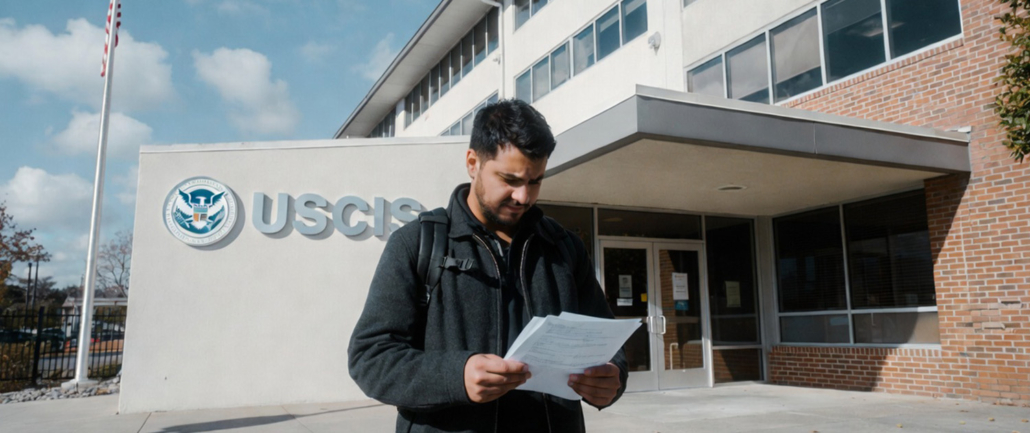
When someone applies for an immigration benefit in the United States, whether through a spouse, child, parent, or on their own, the case does not end when the paperwork is mailed. After United States Citizenship and Immigration Services reviews the filing, the agency often sends a letter called a Request for Initial Evidence, commonly called an RFE.
An RFE does not mean your case has been denied. It means USCIS needs more information before it can make a lawful decision.
Understanding what an RFE is, why it happens, and how to respond to it correctly can be the difference between approval and denial.
Why USCIS Is Allowed to Ask for More Evidence
USCIS is required by federal law to approve only applications that meet all legal requirements. Under U.S. immigration law and federal regulations, the person filing the application has the burden of proof. That means the applicant must prove that they qualify for the benefit they are requesting.
When USCIS does not have enough proof from the original filing, the law allows the agency to issue a Request for Initial Evidence asking for more documentation before making a final decision.
USCIS does this so it can make a decision based on a complete and accurate record.
What Types of Applications Can Receive an RFE
A Request for Initial Evidence can be issued in almost any type of immigration case. Some of the most common forms that receive RFEs include:
Form I 130 Petition for Alien Relative
Used when a U.S. citizen or lawful permanent resident petitions for a spouse, child, parent, or other family member.
Form I 485 Application to Adjust Status
Used when a person is applying for a green card from inside the United States.
Form N 400 Application for Naturalization
Used when a green card holder applies to become a U.S. citizen.
Form I 765 Application for Employment Authorization
Used to request a work permit while an immigration case is pending.
Form I 864 Affidavit of Support
Used to show that the sponsor meets the financial requirements to support the immigrant.
Form I 751 Petition to Remove Conditions on Residence
Used when a conditional green card holder applies for a permanent green card.
Each of these forms has its own legal requirements, which is why RFEs look different from case to case.
Why RFEs Are Not Cookie Cutter Letters
No two immigration cases are the same. Each family has a different history, different finances, different immigration backgrounds, and different documents. Because of that, USCIS does not send the same RFE to everyone.
An RFE is written specifically for the case being reviewed. It is based on what the officer believes is missing, unclear, or insufficient in that particular file. That is why two people filing the same form can receive completely different RFEs.
Just like a thumbprint, every RFE is unique to the case.
What USCIS Often Asks for in an RFE
Here are some of the most common categories of evidence USCIS requests, with explanations of what they are looking for.
• Proof of a real marriage
USCIS often asks for more proof that a marriage is genuine and not entered into only for immigration. This may include joint bank statements, leases, photos, insurance policies, or affidavits from people who know the couple.
• Proof of U.S. citizenship or permanent residence
USCIS may ask for a copy of a U.S. passport, birth certificate, naturalization certificate, or green card to confirm that the person filing the petition is legally eligible to do so.
• Proof of income and financial support
If a sponsor filed an Affidavit of Support, USCIS may ask for tax returns, W 2s, pay stubs, or employer letters to confirm that the sponsor meets the financial requirements.
• Proof of lawful entry or immigration history
For adjustment of status cases, USCIS may ask for I 94 records, visas, passport stamps, or prior immigration documents to verify how and when the person entered the United States.
• Proof of prior marriages and divorces
If either spouse was married before, USCIS may request divorce decrees, death certificates, or annulments to make sure all prior marriages were legally ended.
• Missing or incomplete forms
Sometimes USCIS simply needs a missing page, signature, or correction to a form that was filed incorrectly.
How Much Time You Have to Respond
Every RFE includes a strict deadline. USCIS usually gives a specific number of days to respond, often between 30 and 90 days.
This deadline is not flexible. USCIS must receive the response by the date listed on the notice. Mailing it late or sending the wrong information can result in denial.
What Happens If You Ignore an RFE
If USCIS does not receive a proper response by the deadline, the application is usually denied. USCIS is allowed to make a decision based only on what is already in the file, which means missing evidence will be held against the applicant.
In many cases, a denial after an RFE means starting the entire process over again, losing months or years of time and all the filing fees.
What Happens If You Respond Incorrectly
Sending the wrong documents or failing to answer all of USCIS’s questions can lead to a denial even if the person actually qualifies for the benefit. USCIS officers are not allowed to guess or fill in the gaps. They can only decide based on what is submitted.
That is why RFEs must be handled carefully and strategically.
Why RFEs Are Not Bad News
Many successful immigration cases receive an RFE. It simply means USCIS wants more information before making a final decision. When handled properly, an RFE is an opportunity to strengthen the case and provide exactly what the officer needs to approve it.
The key is understanding what USCIS is really asking for and responding with a clear, complete, and well organized submission.
Final Thoughts
A Request for Initial Evidence is one of the most important moments in an immigration case. It is when USCIS tells you exactly what it needs to decide your future. Treating it seriously and responding correctly protects your rights and your chance to stay with your family in the United States.
If you receive an RFE, do not ignore it and do not guess. Get help from an experienced immigration attorney who understands how USCIS evaluates evidence and how to present your case the right way.

