
How Do You Get Your Confiscated Firearm Back After a Motorcycle Accident in Florida?
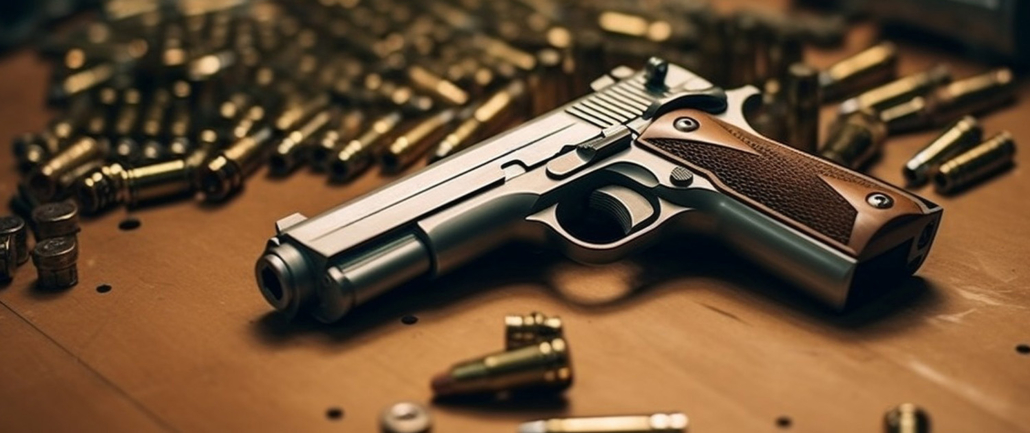
Picture this: You’re riding your Harley through South Florida, obeying all the rules of the road, when suddenly—BAM—you’re hit in a crash that’s no fault of your own. You’re rushed to the hospital in an ambulance. In the chaos, law enforcement searches your saddlebags for identification, medical information, or safety reasons, and they discover your legal, lawfully owned firearm.
The cops do what most agencies in Florida do: they take your gun “for safekeeping” back to the police station. When you’re out of the hospital, the big question becomes:
 How do you get your firearm back?
 How do you get your firearm back?
Let’s break it down.
Your Rights Under Florida Law
- Lawful Ownership
If the firearm is legally purchased, registered (where applicable), and you’re not a prohibited person under state or federal law (convicted felon, domestic violence injunction, etc.), then you still own that gun. The accident itself does not strip away your rights. - Police Role
Florida law enforcement agencies generally have the authority to temporarily take custody of firearms for safekeeping when a person is incapacitated or hospitalized. This isn’t the same as “seizure” for evidence. Unless the gun is tied to a crime, it’s considered property that belongs to you. - Return of Property
Under Florida Statutes (see §933.14 and general property/evidence procedures), once property is no longer needed as evidence, it must be returned to its rightful owner. If your firearm isn’t connected to criminal conduct, you’re entitled to get it back.
The Process to Retrieve Your Firearm
Every agency is a little different, but in general, here’s what happens:
- Proof of Ownership & ID
You’ll need to show up at the police department with valid government ID. If you have a bill of sale, serial number, or concealed carry license, bring it with you. - Property/Evidence Unit Release
Most departments have a Property & Evidence Unit. That’s who you’ll deal with. Sometimes they’ll require an appointment. - Background/Records Check
Even though the gun is yours, some agencies will run a background check before releasing it. They want to make sure there are no injunctions, new criminal charges, or federal prohibitions that arose while you were in the hospital.
What If the Police Refuse to Return It?
This happens more than you’d think. Sometimes the officer or department mistakenly labels the firearm as “evidence in an accident case.”
Here’s the truth:
- A motorcycle crash itself does not make your firearm “evidence.”
- Unless the firearm was used unlawfully (e.g., DUI with discharge, assault, etc.), there’s no basis for holding it beyond safekeeping.
Steps an Attorney Should Take:
- Demand Letter
Your lawyer should send a formal letter to the police department demanding return of the firearm, citing Florida Statute §933.14 and case law on wrongful retention of personal property. - Motion for Return of Property
If the agency won’t budge, your attorney can file a Motion for Return of Property/Firearm in the circuit court. This forces the police to explain to a judge why they’re still holding onto your gun. - Court Order
Judges in Florida routinely grant these motions when it’s clear the firearm isn’t evidence and the owner is lawful. The court will then order the agency to release the firearm back to you.
Bottom Line for Florida Bikers
- If your gun was taken after a crash, it’s not gone forever.
- Police can hold it for safekeeping but must give it back if you’re legally entitled to own it.
- If they stall or claim it’s “evidence,” don’t just accept that answer—get an attorney involved.
Your rights don’t end because you were the victim of a motorcycle accident.
Free Legal Tip
 Pro Tip from Attorney That Rides: Always ask for a property receipt when law enforcement takes possession of your firearm. That little slip of paper makes retrieving it later a lot easier.
Closing
As bikers, we know freedom comes with responsibility. Carrying legally means you have rights—but also the responsibility to assert them when agencies overstep.
If you or a fellow rider is in this situation, don’t wait. Reach out to an attorney who knows Florida law and knows the biker lifestyle.
 Just Call Gabe – The Attorney That Rides
Fort Lauderdale, Florida | AttorneyThatRides.com
TEL: 954-533-7593

